
Prepare for a visit
Bring clearer questions to a conversation with your care team.
Start the patient pathOur mission is to help people understand and evaluate AI that supports prevention, earlier recognition of illness, and better care. Led by Harvey Castro, MD, MBA, known as DR GPT™, ChatGPT Health connects evidence, practical education, and responsible implementation across healthcare.
Independent of OpenAI. Educational information, with human judgment at the center of healthcare decisions.

.svg)
Bring clearer questions to a conversation with your care team.
Start the patient pathSeparate a product claim from the evidence that supports it.
Start the evidence pathDefine the task, human oversight and conditions for stopping.
Start the team pathExplore healthcare AI
Browse 12 connected topics and practical guides, from prevention and patient questions to clinical workflows and responsible adoption.
Start with your role
Understand where healthcare AI has helped, where it has failed, what questions to ask, and when to involve a qualified clinician.
Evaluate evidence, intended use, local validity, subgroup performance, workflow fit, and meaningful patient outcomes.
Build accountable governance with risk tiers, approval gates, monitoring, incident response, and authority to pause unsafe systems.
Evidence before hype
Healthcare AI can expand access, reduce burden and improve detection. It can also miss cases, worsen unequal access, compromise privacy or lead people to trust incorrect output. We examine the evidence for each use and its consequences for patients.
Independent disclosure: ChatGPT Health is physician led and is not affiliated with OpenAI or the ChatGPT Health consumer product. This site provides education, not medical advice.
Start with the intended use, the evidence required, and the person accountable for the decision. Our governance guide connects these questions to validation, monitoring, and escalation.

Human oversight should match the consequence of the task. High impact clinical decisions need qualified review, authority to disagree, usable evidence, and a tested escalation path.
Who is responsible when AI fails? Establishing clear liability protocols for developers, institutions, and clinicians is our priority.
LLMs can produce confident factual errors. Test their outputs against verified clinical information before deployment, and investigate patterns that the underlying data do not support.
Record intended use, model and data versions, material inputs and outputs, human actions, overrides, incidents, and changes while respecting privacy and security.
AI literacy
Safe use requires judgment about the task and its consequences. These learning paths help patients, clinicians and leaders check important claims and seek qualified help when an error could cause harm.
Use AI to prepare questions and understand options, while keeping diagnosis and treatment decisions with qualified clinicians.
Check provenance, fit to the patient, missing context, and whether the output changes a consequential decision.
Train teams on approved uses, prohibited uses, escalation paths, incident reporting, and performance monitoring.
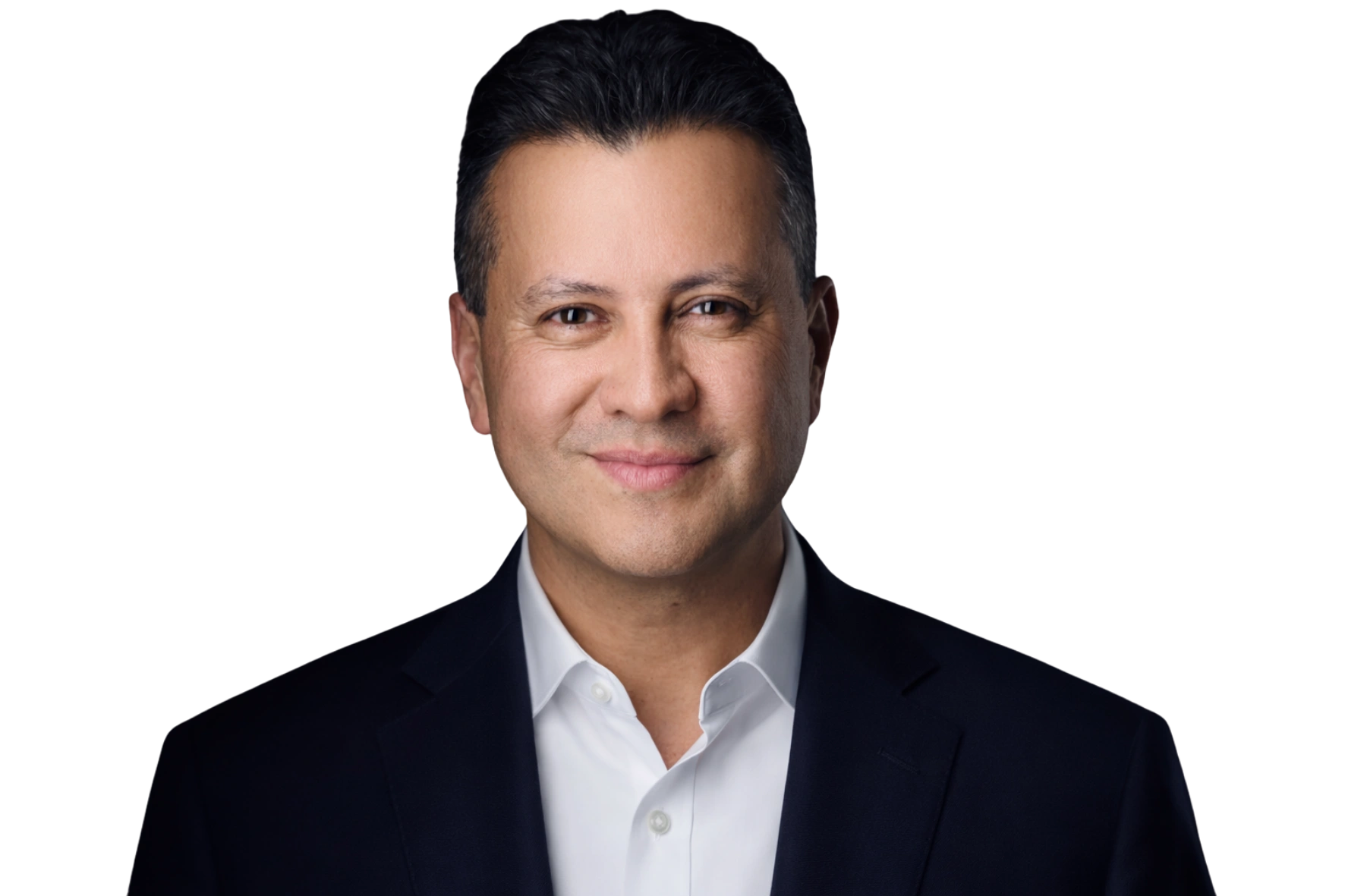
The physician behind this site
Harvey Castro, MD, MBA, is the physician behind ChatGPT Health. Explore the site's mission, published work, and approach to healthcare AI education, or contact him about advisory and speaking work.
Standards translated into practice
WHO, NIST, FDA, AMA, and the EU AI Act address different parts of responsible health AI. We map their principles to concrete owners, evidence, controls, and review gates without treating any one framework as universal.
Define intended use, human review, failure modes, escalation, and evidence needed before deployment.
Assign accountable owners, document decisions, monitor performance, and maintain an auditable incident process.
Determine which rules apply by jurisdiction, product function, risk, and whether the system is regulated medical software.
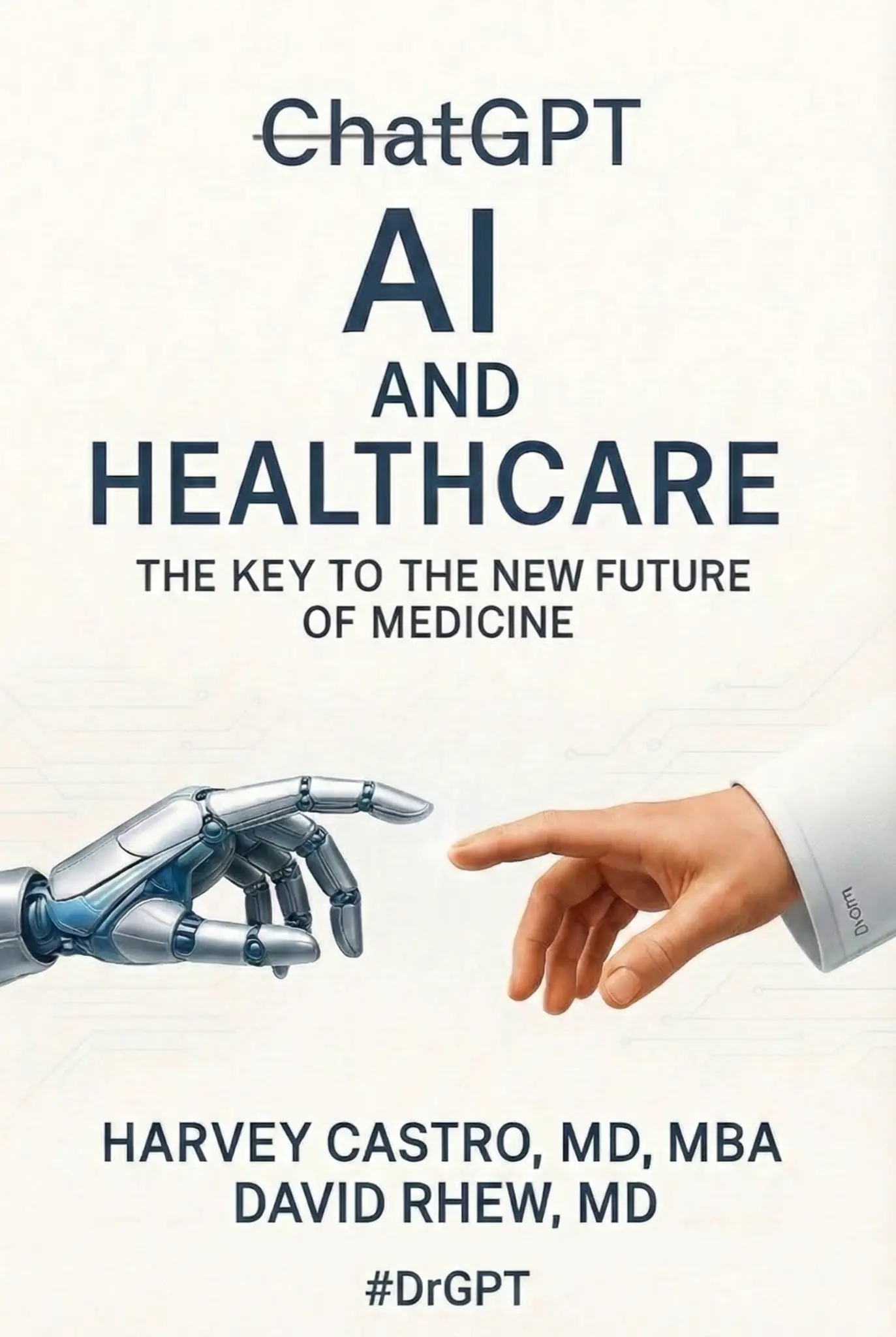
Books on healthcare AI and responsible practice.


Clear answers
No. ChatGPT Health is an independent education and governance site founded and led by Harvey Castro, MD, MBA. It is not affiliated with OpenAI or the ChatGPT Health consumer product.
No. We evaluate evidence, intended use, workflow, patient impact, and governance controls. The same model can present different risks in different contexts.
Yes, in well defined settings AI can support detection, access, documentation, and clinical workflow. Benefits must be measured against false positives, missed cases, inequity, burden, privacy risk, and other downstream effects.
Yes. Published examples include weak performance after external validation, biased allocation caused by poor proxy choices, and increased recalls or procedures without clear clinical benefit. That is why local validation and ongoing monitoring matter.
The reviewer needs appropriate expertise, enough time and information to challenge the output, authority to override it, and a clear escalation path. A required click is not meaningful oversight.
No. This site provides general education. Healthcare decisions require qualified clinical judgment, and governance decisions require review for the specific product, jurisdiction, and organization.